
.avif)


“Most companies underestimate how much they spend on software until renewal season hits,” says Rajiv Ramanan, Co-founder of Spendflo.
Across industries, SaaS spending has grown by more than 20% year over year, yet nearly 30% of those licenses go unused. That’s millions of dollars lost to forgotten renewals, overlapping tools, and unchecked subscriptions. It’s a growing problem that every finance and procurement leader needs to address before it erodes budgets and efficiency.
Major Procurement Process Challenges Affecting Businesses
SaaS procurement is different from traditional procurement in one major way: different departments can simply buy software separately. Unlike physical assets or large IT purchases that go through rigorous approval processes, SaaS tools are easy to acquire—which is both a benefit and a challenge.
Without proper controls, companies end up with:
1. Decentralized purchasing
Different teams buy software independently, leading to redundant subscriptions.
2. Lack of visibility
Finance teams struggle to track who owns what and how much is being spent.
3. Complex vendor contracts
Pricing varies widely, and vendors often lock businesses into rigid, long-term agreements.
4. Auto-renewals & unused licenses
Companies pay for software they no longer use simply because no one cancels the subscription.
The result? Wasted spending, compliance risks, and an inefficient software stack. Overcoming these procurement challenges is important for your business to gain a competitive advantage, negotiate for the right solutions, and foster stronger vendor relationships.
The Impact of Procurement Challenges on Business Operations
The effects of poor SaaS procurement go beyond just overpaying for software. It creates operational inefficiencies that ripple across multiple departments.
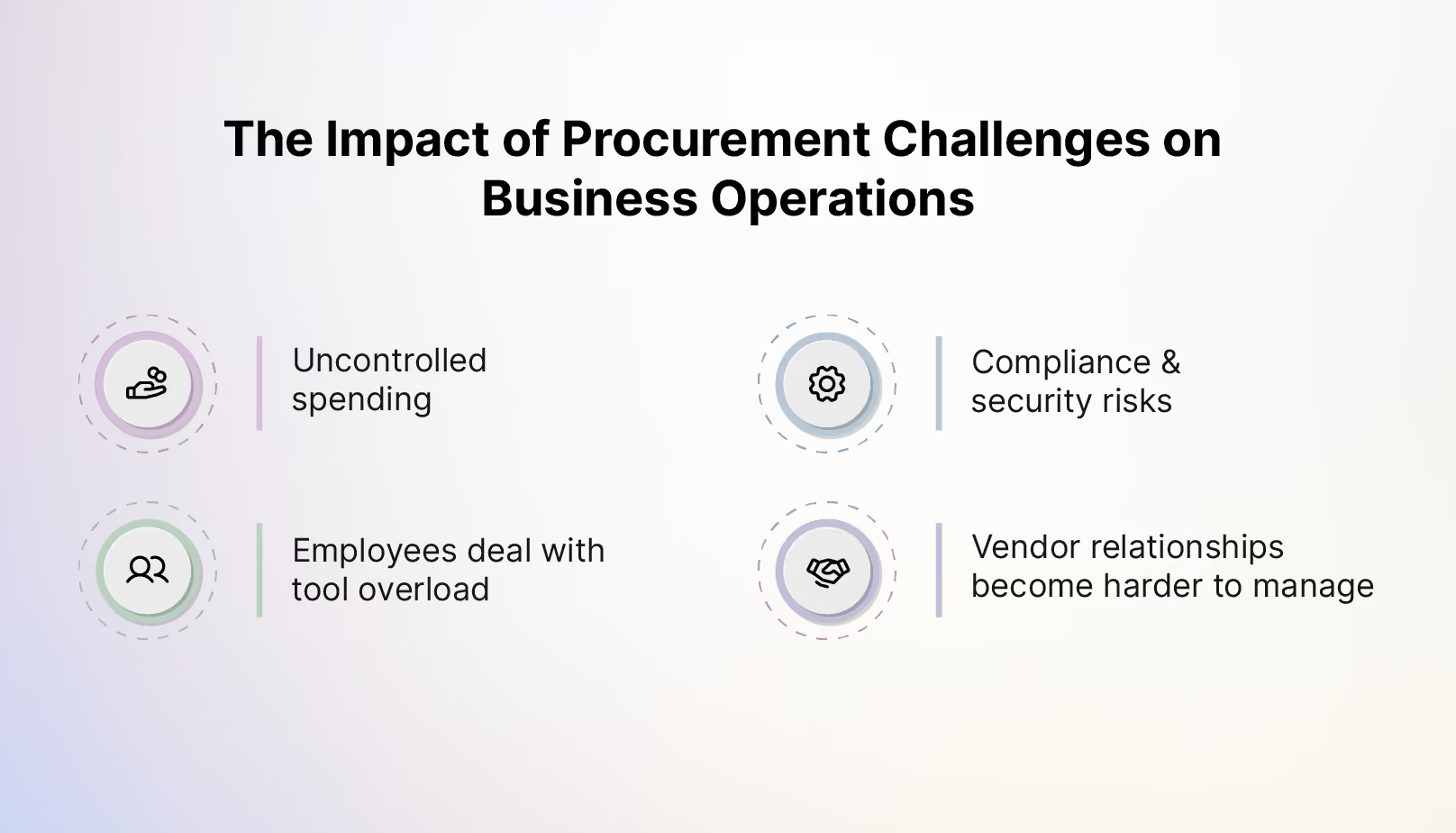
1. Uncontrolled spending
When different teams purchase software independently, finance teams lose visibility into SaaS expenses. This leads to budget overruns, duplicate purchases, and unplanned costs, all of which impact financial forecasting.
2. Compliance & security risks
Unapproved SaaS purchases introduce security vulnerabilities. Without proper vetting, businesses risk storing sensitive data in software that doesn't meet security and regulatory requirements.
3. Employees deal with tool overload
Too many overlapping tools lead to confusion and inefficiencies. If marketing uses one CRM while sales uses another, data gets fragmented, and workflows suffer.
4. Vendor relationships become harder to manage
When multiple teams negotiate contracts separately, businesses lose their bargaining power. Better-negotiated contracts can lead to major cost savings, but only if procurement is centralized and strategic.
Why Addressing Procurement Challenges is Crucial for Success
As businesses grow and become more dependent on SaaS, addressing the key challenges in the procurement process is important for improving financial health, security, and overall productivity.
1. Better financial control
Centralizing procurement and streamlining processes helps eliminate redundant tools and optimize software spending.
2. Stronger security & compliance
Standardized procurement processes ensure vendors meet security requirements.
3. More negotiating power
When procurement is centralized, businesses can leverage their buying power to secure better pricing and flexible contract terms.
4. Increased operational efficiency
Employees work more effectively when they have the right tools, without duplicates or unnecessary complexity.
A structured approach to SaaS procurement helps businesses cut costs, reduce risks, and create a more scalable software strategy.
Top Procurement Process Challenges in 2026 and Solutions
SaaS procurement seems simple—identify a vendor, subscribe to a tool, get the job done, and move on. But behind the scenes, hidden costs, auto-renewals, vendor requirements, and compliance risks turn it into a complex and costly process.
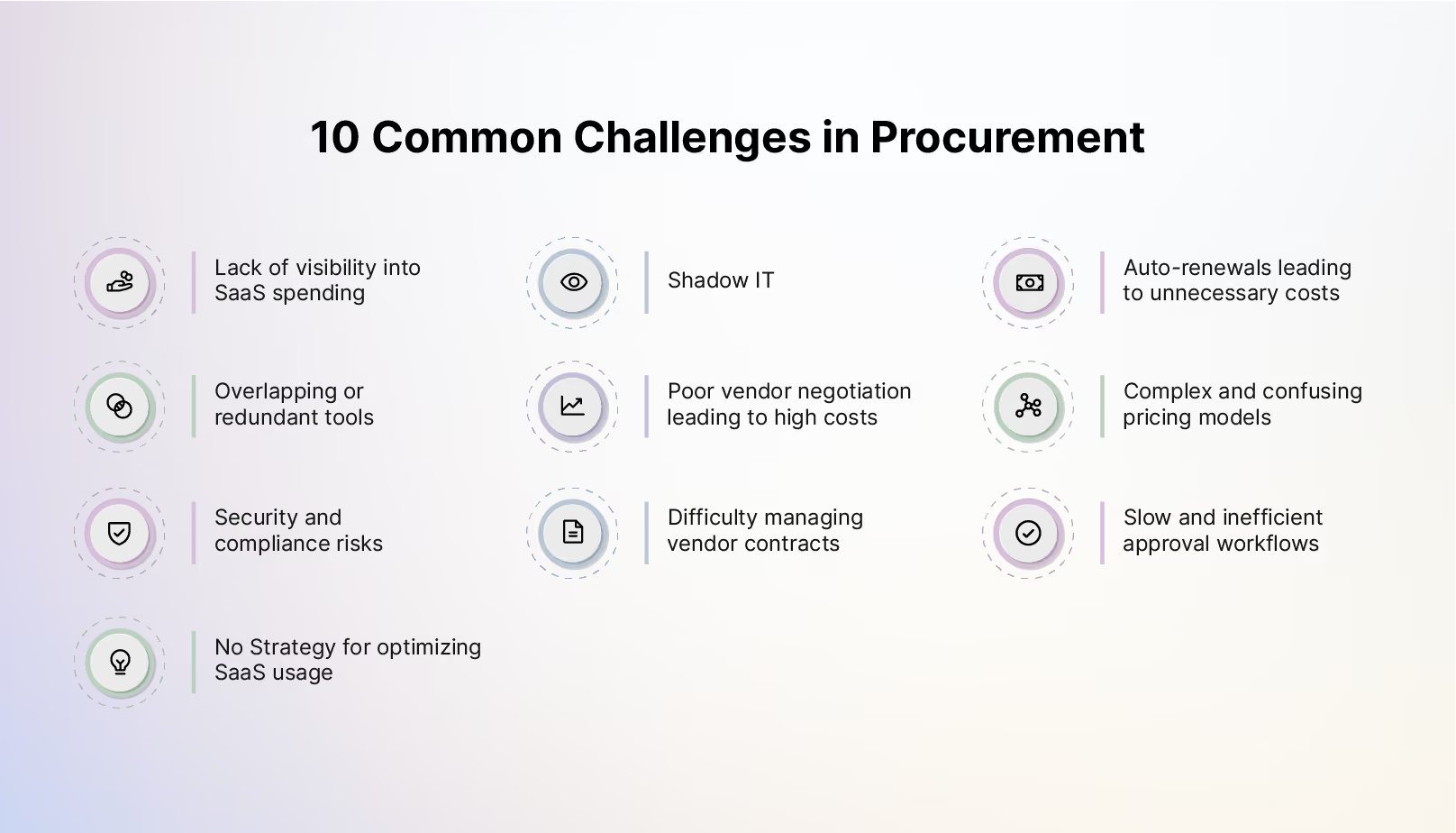
Here are the 10 biggest challenges in the procurement process and how to fix them.
1. Lack of visibility into SaaS spending
Procurement and finance teams often don't have a clear picture of how much is being spent on SaaS tools. With different teams purchasing software independently, costs quickly add up, often with overlapping tools and duplicate subscriptions.
This can be inefficient, especially when accurate budgeting is important for a successful procurement process. So, to ensure better visibility into the finances, consider maintaining a centralized SaaS inventory with real-time spending data, create a systematic approval workflow so that no new purchase slips through, and use a procurement platform like Spendflo that gives visibility into all active subscriptions.
2. Shadow IT
A major procurement challenge for businesses is shadow IT. Employees often sign up for software without involving procurement or IT. For perspective, an enterprise uses 270 to 364 SaaS subscriptions on average, of which 52% are unsanctioned by IT.
These "rogue" purchases lead to security risks, compliance issues, and unplanned budget overruns. This makes it important to implement a clear approval process for all software purchases and use automated SaaS discovery tools to identify untracked software expenses.
3. Auto-renewals leading to unnecessary costs
Many SaaS contracts renew automatically, and businesses forget to cancel subscriptions they no longer need. By the time they realize it, the company has already paid for another year. Here, regular SaaS usage audits can help evaluate SaaS requirements in the company to cancel unused or redundant tools.
Plus, setting up auto-renewal alerts at least 30–60 days before renewal dates and negotiating contracts with flexible cancellation terms can help them stay on top of SaaS renewals and avoid long-term commitments.
4. Overlapping or redundant tools
Different teams often purchase similar tools without realizing it. For example, sales and marketing teams might be relying on different tools with the same data and similar features, leading to duplicate spending on CRM software.
This can be a common challenge in the absence of a centralized purchasing system, as employees won't know if someone else is already using a similar SaaS solution they have requested. This eventually affects the procurement process due to miscommunication.
To fix this, you can conduct quarterly SaaS audits to identify redundant tools and standardize software usage across teams to reduce tool duplication. Additionally, a central procurement Tool like Spendflo will help you automate approvals for new software purchases and keep a repository of all the requests, ensuring complete visibility into your tech stack.
5. Poor vendor negotiation leading to high costs
SaaS pricing is a complex zone, with vendors offering different pricing plans based on customer size, features, contract duration, add-ons, and so on, making it hard to benchmark pricing.
And if a business offers the first quote without negotiating or using market insights, they often overpay for software. This makes it important for SaaS buyers to evaluate the pricing structures and benchmark pricing against industry standards before purchasing.
Plus, it will also help to negotiate discounts for multi-year commitments or bulk licenses to get the most out of your SaaS purchase. Finally, working with a procurement solution like Spendflo can help you compare multiple vendors and negotiate contracts to secure the best deals.
6. Complex and confusing pricing models
SaaS vendors often use complicated pricing structures, which can include hidden fees, per-user costs, additional costs for premium features, and unclear terms. Businesses struggle to compare pricing across vendors and often end up paying more than expected.
Before choosing a SaaS solution for your business, you need to ask vendors for a clear breakdown of costs and compare different pricing models (flat rate, per-user, feature-based) to find the best fit.
It is important to choose software with transparent and predictable pricing to avoid unnecessary costs in the future.
7. Security and compliance risks
SaaS tools store sensitive business and customer data, but without proper security checks, businesses risk data breaches, non-compliance fines, and legal issues.
Not to mention, the regulatory landscape is complex for companies operating in different regions and countries, each with its own compliance requirements. So, it becomes crucial to choose SaaS tools that prioritize data security and compliance.
Use a vendor risk assessment process to evaluate the vendors' security processes and compliance requirements before approving new software. Conducting regular security audits on all SaaS tools and vendors will also help ensure data protection at the company level.
8. Difficulty managing vendor contracts
Procurement teams often handle dozens (or even hundreds) of SaaS contracts, each with different renewal dates, pricing terms, and compliance requirements. Without proper tracking, contract management becomes a nightmare.
What you need is a centralized system to keep all vendor contracts in one place. Such a system can also automate contract tracking and renewal alerts and standardize contract negotiation processes to ensure consistency.
9. Slow and inefficient approval workflows
The SaaS buying process often gets stuck in approval loops, with multiple stakeholders and various steps involved. Delays in approvals slow down operations and frustrate teams that need new tools quickly.
A good way to manage this is to implement automated approval workflows to speed up decision-making, with clearly defined roles, such as who has purchasing authority to prevent bottlenecks.
At the same time, it is important to oversee the approval hierarchy to ensure no employee is skipping any process, as it can lead to investment in poor-quality software, compliance headaches, and even duplicate or redundant subscriptions that don't meet the organizational requirements.
10. No Strategy for optimizing SaaS usage
As your business grows and so does your tech stack, SaaS spending, and usage can become less transparent. You might know which tools different teams are using, but do you know how effectively they're being used?
For instance, are all the features in your SaaS tool actually useful? Is your sales team utilizing the premium features that were negotiated for? If not, you might continue paying for underutilized software instead of optimizing your tech stack.
To overcome this, it is critical to monitor real-time SaaS usage data to identify underused tools. Additionally, conduct quarterly software audits to assess ROI, cancel subscriptions you no longer need, and reallocate unused licenses to teams that actually need them.
Many of these challenges become visible only during a procurement audit, which highlights bottlenecks, non-compliance, and hidden risks.
Procurement Risk Management Strategies That Actually Work
Procurement teams deal with multiple types of risk, from unreliable suppliers to compliance gaps that can stall operations. Building a strong procurement risk management framework means identifying these risks early, setting up controls, and continuously monitoring your supplier ecosystem.
1. Supplier Risk Monitoring and Evaluation
A strong procurement process starts with consistent supplier risk mitigation and evaluation. Track supplier performance using data points like delivery timelines, contract adherence, financial stability, and product quality. Regular performance reviews and risk scoring help identify early warning signs before they turn into costly disruptions.
Tip: Use tools that centralize vendor data and automate supplier risk monitoring. This allows you to assess reliability, compliance risk, and overall resilience in real time.
2. Supply Chain Risk Mitigation Tactics
Supply chain risk can have a ripple effect across your business. To reduce exposure, diversify your supplier base instead of relying on a single vendor or region. Create contingency plans for critical categories and maintain backup suppliers.
Example: If one supplier faces production delays, having a pre-approved alternate ensures continuity without affecting delivery schedules or budgets.
3. Compliance Risk Management with Audits and Governance
Regulatory and contractual non-compliance can lead to fines or operational setbacks. Establish clear governance structures and audit schedules to ensure all procurement activities align with risk management frameworks, internal policies, and external regulations.
Regular compliance risk assessments should cover data privacy, cybersecurity standards, and ethical sourcing. Use digital audit trails to maintain transparency and accountability across the supply chain.
4. Building a Sustainable Risk Management Framework
A solid procurement risk management strategy combines proactive monitoring, clear communication, and cross-department collaboration. When finance, procurement, and legal teams align on shared data and policies, risks become easier to detect and address.
With modern tools like Spendflo, you can automate supplier tracking, centralize documentation, and improve visibility across every stage of the supply chain risk management process.
Best Practices for Continuous Improvement in Procurement
Managing SaaS procurement requires an ongoing strategy to keep spending, compliance, and vendor management under control. Here's how businesses can continuously improve their SaaS procurement processes through strong vendor management strategies, procurement contract optimization, and consistent supplier performance evaluation.
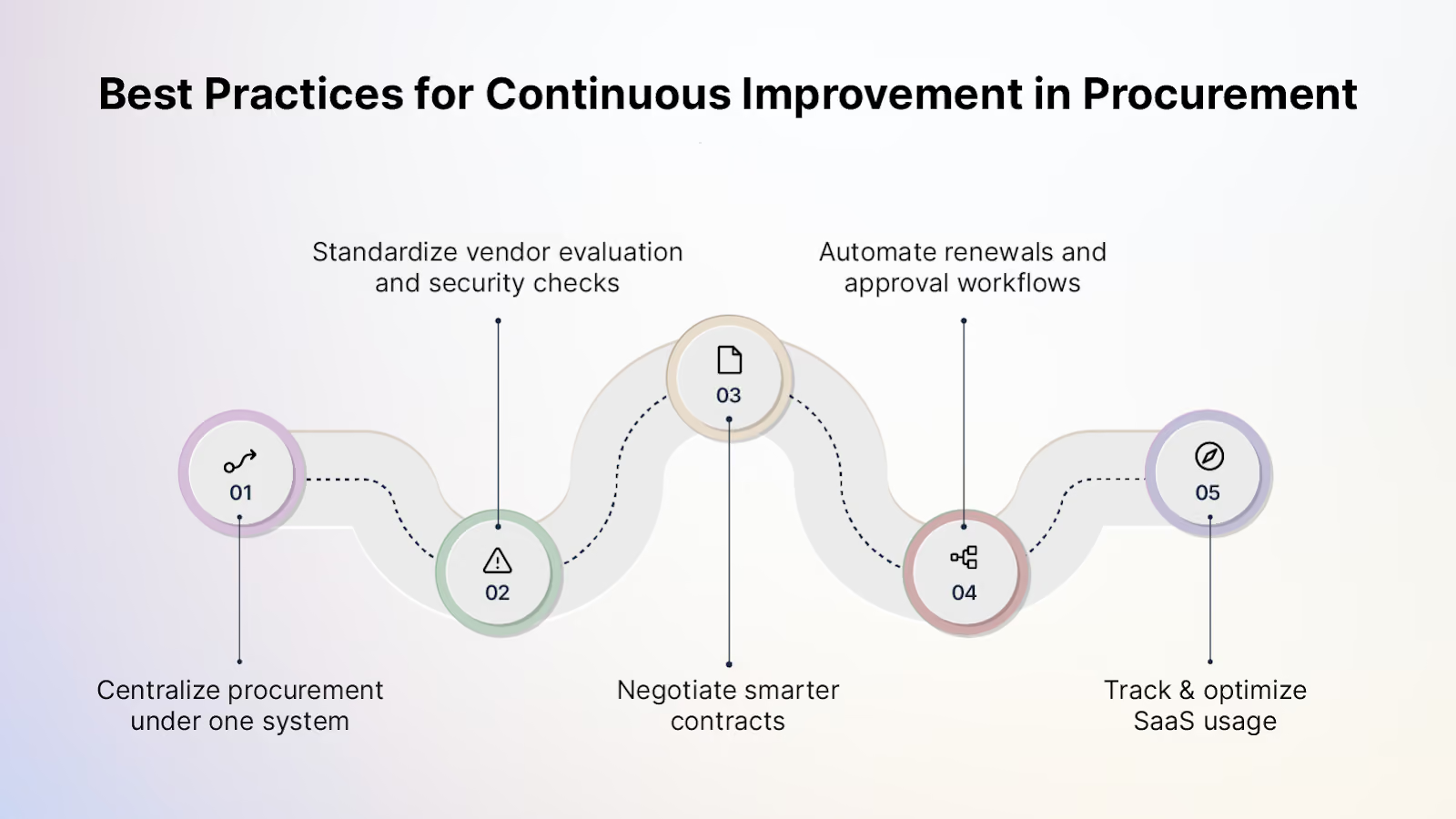
1. Centralize procurement under one system
Instead of allowing different teams to buy software independently, create a centralized system and approval workflow where all purchases are tracked and managed in one place. This improves visibility and prevents duplicate purchases, a key step in effective contract management best practices.
2. Standardize vendor evaluation and security checks
Not every software purchase should be approved instantly. Implement a vendor evaluation checklist that includes the following:
- Security and compliance processes
- Contract flexibility
- Pricing models
- Integration with existing tools
- User experience and accessibility
- Scalability and performance
A standardized approach supports consistent supplier performance evaluation and ensures alignment with company standards.
3. Negotiate smarter contracts
SaaS pricing is highly negotiable, but businesses often accept the first offer. To negotiate smarter contracts, go through your vendor evaluation checklist, compare different vendors, and leverage data to compare pricing across multiple vendors.
This also includes negotiating for flexible renewal terms and performance benchmarks to ensure you're getting the best out of your new SaaS solution. Applying procurement contract optimization here can lead to measurable cost savings and improved vendor relationships.
4. Automate renewals and approval workflows
Set up renewal alerts so teams can review contracts before auto-renewals kick in. Automating approval workflows also helps streamline procurement and prevent unnecessary delays.
5. Track & optimize SaaS usage
Regular audits help identify underutilized tools and unused licenses. So, it is important you:
- Monitor real-time usage data
- Cut down on tools that aren't delivering value
- Reallocate unused licenses to teams that actually need them
This will allow you to keep SaaS procurement efficient, cost-effective, and secure instead of letting it spiral out of control.
6. Enhancing Vendor Relationships and Optimizing Contracts
Strong vendor relationships are essential for long-term savings and performance. Use vendor evaluation scorecards and key performance indicators (KPIs) to track supplier reliability, delivery, and responsiveness.
Adopt collaborative vendor management strategies, regular check-ins, feedback loops, and shared performance goals to keep relationships productive. When it’s time to renew, rely on centralized contract repositories and automated alerts to stay ahead of deadlines.
Smart negotiation tactics that balance cost, compliance, and quality help maintain control without compromising vendor relationships. Over time, these practices strengthen supplier performance evaluation and enhance contract management best practices, ensuring continuous procurement contract optimization across the supply chain.
Addressing Procurement Process Challenges with Automation
Many procurement teams still struggle with workflow bottlenecks, manual data entry, and approvals that take days instead of hours. These inefficiencies lead to delays, missed savings opportunities, and poor decision-making.
1. Fixing Workflow Bottlenecks and Slow Approvals
Traditional approval chains often involve multiple emails, spreadsheets, and unclear ownership. This slows down purchasing and causes frustration across departments.
By adopting procurement process automation, teams can route approvals instantly to the right stakeholders. Automated notifications and role-based permissions reduce delays and eliminate repetitive follow-ups.
Example: A finance team that previously spent two days chasing approvals can now complete the same process in under an hour with automated workflows.
2. Breaking Down Data Silos for Better Spend Visibility
When procurement, finance, and IT work in separate systems, spend data gets trapped in silos. Without unified visibility, teams can’t accurately track budgets or identify duplicate purchases.
Spend visibility tools and e-procurement platforms solve this by centralizing supplier, contract, and transaction data. Real-time dashboards give decision-makers a clear picture of where every dollar is going, helping reduce waste and improve forecasting.
3. Accelerating the Purchase-to-Pay (P2P) Cycle with AI
Automated purchase-to-pay (P2P) systems powered by AI can manage everything from requisitions and approvals to purchase orders and payments. These systems minimize human errors, standardize documentation, and speed up cycle times.
Example: Organizations using AI-driven P2P automation have reported up to a 40% reduction in processing time and noticeable drops in administrative costs.
4. Simplifying Contract Management and Renewals
Contracts are often buried in folders or spreadsheets, making it easy to miss renewal dates or compliance updates. Contract lifecycle management software centralizes every agreement, tracks versions, and sends automatic alerts for renewals and reviews.
With automation, teams can:
- Standardize templates for faster contract creation
- Ensure compliance with built-in approval rules
- Reduce the risk of duplicate or outdated contracts
These improvements turn contract management into a proactive, data-driven process.
How Spendflo Can Help Overcome Procurement Challenges
Procurement inefficiencies cost businesses more than time, they quietly drain budgets, increase compliance risk, and frustrate teams. Many finance leaders find out too late that they’ve been paying for unused tools or missed renewal deadlines that could have been renegotiated for better terms.
Take Acumatica, for example. Before adopting Spendflo, their finance team struggled with decentralized vendor data and missed renewal opportunities. With Spendflo’s AI-powered procurement workflows and renewal alerts, they achieved 30% cost savings and regained full visibility into their SaaS spend within just 60 days.
If your team still faces slow approvals, shadow IT, or scattered supplier records, it’s time to take control. Spendflo’s AI-native platform centralizes vendor data, automates approvals, and provides real-time spend visibility all while helping you negotiate smarter contracts and avoid unnecessary renewals.
Don’t wait until the next surprise invoice or compliance audit to fix your procurement process.
Book your free Spend Analysis and demo today to see how Spendflo can simplify procurement and guarantee measurable savings.
FAQs
What is the biggest challenge in procurement processes?
One of the biggest challenges in procurement processes is a lack of visibility into SaaS spending. Without a centralized system, businesses struggle to track software costs, leading to redundant tools, unnecessary renewals, and budget overruns.
What is the hardest part of SaaS procurement?
One of the hardest parts of SaaS procurement is managing vendor contracts and renewals effectively. With dozens of tools in use, keeping track of renewal dates, pricing changes, and compliance requirements becomes overwhelming. Auto-renewals, poor visibility into software usage, and lack of standardized approval processes often lead to unnecessary costs and security risks.
What's the best way to optimize SaaS usage after procurement?
Businesses should track real-time usage data, conduct quarterly SaaS audits, and reassign underused licenses to teams that need them. This ensures maximum ROI on every subscription.


-compressed.avif)










.avif)
.avif)