Tradogram alternatives for mid-market and enterprise teams

Tradogram alternatives that run intake to payment, and negotiate renewals

Tradogram handles purchase orders, supplier records, invoices and payments, but we found no negotiation or SaaS renewal features on its site. Spendflo gives finance and procurement teams one intake-led platform for the full procurement lifecycle, from intake and sourcing to negotiation, purchasing and payment.

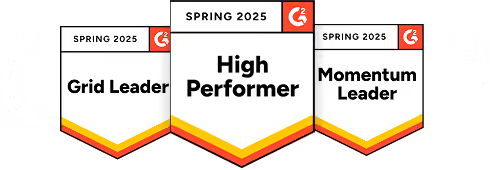
G2 Grid Leader Spring 2025SOC 2ISO certifiedGDPR

Spendflo is an AI-native procurement platform for mid-market and enterprise finance and procurement teams. It covers the full procurement process from intake to payment: approvals, sourcing, supplier onboarding, contracts, negotiation, purchase orders and invoices, all in one platform. Teams use it to replace Tradogram when software renewals, negotiation and cross-team reviews matter as much as purchase orders and invoices.

See your whole procurement process, from intake to payment, running in Spendflo before your next Tradogram renewal.

New request · Figma Enterprise renewal

Design team · 120 seats · $86,400 / yr

In review
✓Budget check · Design FY27auto
✓Security review · SOC 2 on file2 min
✓Legal · MSA redlinesContracts Agent
4Finance approval in Slackpending
✦Up next: purchase order on approval, then the invoice is matched to the PO and released for payment.
14 daysfor Flo, Spendflo's AI layer, to go live
80%reduction in approval times
48%faster procurement cycle
2,000+hours reclaimed per year
ThoughtSpotAcumaticaSplunkMarriottJumioDegreedRevealMXThoughtSpotAcumaticaSplunkMarriottJumioDegreedRevealMX

Why mid-market teams look beyond Tradogram

Tradogram is a cloud procurement and procure-to-pay platform for growing teams, with a low published entry price and wide PunchOut coverage. These are the five gaps finance and procurement teams raise most often, and how Spendflo handles each one.

Negotiation

Nobody negotiates the purchase for you

Tradogram routes and records purchases and reminds you before contracts renew. We found no negotiation or price-benchmarking features on its pricing, contract or spend management pages.

Spendflo: pricing benchmarks on every request, plus Managed Procurement, where Spendflo's buyers negotiate renewals for you.

Software spend

Tradogram isn't built around SaaS renewals

Tradogram tracks budgets, expenses and supplier payments, but we found no SaaS licence, usage or renewal management features.

Spendflo: usage tracking, early renewal flags, and every renewal planned 120 days ahead.

Plan limits

Requisitions and approvals sit above the $99 plan

On Tradogram's pricing page, Essentials ($99/mo) covers POs, suppliers, invoices, payments and expenses. Requisitions, custom approvals, contracts and budgets are Premium (custom quote) or add-ons, and ERP integrations, SSO and API are add-ons on every plan.

Spendflo: one platform from intake to payment, with approved requests created as POs in NetSuite with pre-mapped fields.

Contracts

Contracts are a repository with reminders

Tradogram centralises supplier agreements, tracks renewal windows and carries contract pricing into POs. We found no authoring, redlining or e-signature.

Spendflo: Contracts Agent plus DocuSign and Ironclad integrations, with renewals tracked and negotiated.

Flexibility

Reviewers want more flexibility

About 4 of the 20 most recent G2 reviews call the system rigid or hard to adjust, and about 3 say custom development or integrations cost extra.

Spendflo: a no-code workflow builder your finance team owns, plus a dedicated customer success team.

Renewal coming up?

Compare your Tradogram renewal quote with Spendflo before you sign

Start at least two quarters out. We'll map your current Tradogram workflows and show the cost difference.

Get my cost comparison

Tradogram vs Spendflo: features, pricing and implementation compared

An honest comparison. Tradogram is the stronger choice for a low published entry price, PunchOut catalog buying and broad accounting-system coverage. Spendflo wins on negotiation, software renewals and cross-team reviews, with the whole process from request to payment in one platform.

CriteriaTradogramSpendflo
Fit and cost
Procurement lifecycle coveredProcure-to-pay and APPOs, suppliers, invoices, payments and expenses on Essentials; requisitions, RFx, receiving, budgets and contracts on PremiumEnd-to-end, intake to paymentIntake, sourcing, approvals, contracts, negotiation, POs, AP and payment in one platform
Built forGrowing and mid-market teams; 50.0% of G2 reviewers are mid-market and 44.4% small businessesMid-market and enterprise finance and procurement teams
Typical go-liveTradogram's pricing page shows 1-4 months to go live; other pages say days or weeks. G2 has too few responses to show a figureWeeks; Flo live in 14 days
Implementation partner neededNoConfigured by your team; Implementation and Setup is a paid add-onNoImplemented by Spendflo's team
PricingPublished: Essentials $99/mo (20% off yearly) plus an unpublished per-user fee; Premium and Scale customCustom quote by company size and spend
Buying experience
Intake for software and servicesRequisition forms with custom fieldsPremium plan, or an add-on on Essentials; TradoScan AI turns quotes into requisitionsAI-triaged intake
Approvals in Slack and Microsoft TeamsNot foundIntegrations page lists Gmail and Outlook email, not Slack or TeamsNative
Cross-functional review (security, legal, IT)Multi-level custom approval routingPremium plan, or an add-on on EssentialsBuilt-in workflows
Pricing benchmarks on each purchaseNot foundPer-vendor price benchmarks
Negotiation done for youNot foundManaged Procurement
Renewal tracking and alertsContract renewal and expiry remindersNo SaaS licence or renewal management foundYes, plus negotiation
Contract repository and AI reviewCentral contract repositoryNo authoring, redlining or AI contract review foundContracts Agent
AITradoScan AI document scanningAI invoice matching and anomaly detection; MCP integration listedFlo AI layer and Contracts Agent
Finance operations
Purchase orders into your ERPQuickBooks, Xero, NetSuite, Sage, Dynamics, SAP, Oracle and more listedERP and accounting integrations are a paid add-on on every planYes, e.g. NetSuite with pre-mapped fields
AP automation and invoicingAP invoices with matching and TradoPay paymentsAll plans; global payments in 150+ countries; Bill.com integrationAP automationInvoice capture, PO and contract matching, payment files synced to your ERP
Inventory and PunchOut catalogsInventory plus 16 PunchOut suppliers such as Amazon, Grainger and StaplesInventory on Premium; TradoCart PunchOut is an add-onNot the focus
Budgets and spend reportingReal-time budgets, custom report builder, Power BIBudgets and report builder on PremiumYes
Security and complianceSSO (Azure AD, OneLogin) as a paid add-onMulti-region hosting and custom SLA on ScaleSOC 2, ISO, GDPR, SSO

Tradogram capabilities, prices, terms and implementation claims are from tradogram.com (pricing, integrations, contract, spend and terms pages), G2 (listing, buyer data and reviews) and TrustRadius, read on 12 November 2026.

Is Spendflo the right Tradogram alternative for you?

Spendflo is built for

Company size

Mid-market and enterprise teams whose biggest spend is software and services: from 200-employee companies to 5,000-employee enterprises, including multi-entity and PE-backed companies

Spend profile

Software, services and indirect spend, where most requests start with a business user

ERP and tools

NetSuite and Sage natively, plus Slack, Okta, Azure AD and Workday HRIS

Industries

SaaS and technology, financial services, healthcare and life sciences, retail and consumer

Team

Lean finance and procurement teams whose spend is mostly software and services, and who want renewals negotiated

Timeline

Your Tradogram renewal, or a new procurement process, due within one or two quarters

Tradogram may still be the better fit if

  • You want the lowest published entry price: Tradogram Essentials is $99 a month, with 20% off on yearly billing
  • Most of your buying runs through PunchOut catalogs such as Amazon, Grainger, McMaster-Carr or Fisher Scientific, with receiving and inventory
  • You run an accounting system Spendflo does not list, such as QuickBooks Desktop, Sage 50, Sage 300, MYOB or Blackbaud

In that case, Tradogram may be enough today. Compare again when software renewals and negotiation become a bigger share of your spend.

How switching from Tradogram works

A typical move off Tradogram, run by Spendflo's team alongside yours. No third-party integrator.

Week 1

Connect

Link your ERP, SSO, and Slack or Teams. Map cost centres, budgets and approvers.

Week 2

Import

Bring in vendors, contracts and renewal dates. AI contract discovery pulls terms and owners.

Week 3

Rebuild workflows

Recreate approval chains, plus security and legal reviews, in the no-code builder. Test them with real requests.

Week 4+

Run in parallel, then cut over

Route new requests to Spendflo while open Tradogram POs close, then retire the modules you no longer need.

Open POs stay in Tradogram until they closeAudit history exported and retainedSuppliers keep invoicing as usual during cut-over

How much does Tradogram cost? A detailed pricing breakdown

Tradogram publishes one price: Essentials at $99 a month, or 20% less on yearly billing, plus an additional user fee it does not publish. Premium and Scale are custom quotes. Implementation, ERP integrations, SSO, API and PunchOut are paid add-ons on every plan, with no published prices. G2 does not yet have enough reviews to show time to implement or discounts.

Tradogram cost itemWhat is publishedSource
Essentials plan$99/month billed monthly; $950.40 on the yearly toggle ("Save 20%"); 1+ users, additional user fee appliestradogram.com/pricing
Premium planCustom quote; 20+ users, additional user fee applies; adds requisitions, RFx, receiving, budgets, contracts, inventory, custom approvals and multi-entitytradogram.com/pricing
Scale planCustom quote; unlimited users, custom SLA, feature customisations, multi-region hosting, dedicated supporttradogram.com/pricing
Additional user feeApplies on Essentials and Premium; amount not publishedtradogram.com/pricing
Advanced modules on EssentialsRequisitions, receiving, RFx, budgets, contracts, inventory, custom approvals, report builder and multi-entity are add-ons; no prices publishedtradogram.com/pricing
Paid add-ons on every planImplementation and Setup, TradoCart PunchOut, ERP / accounting integrations, SSO, API access, multi-region hosting; no prices publishedtradogram.com/pricing
Time to go live1-4 months on the pricing page timeline; "days, not months" on the Why Tradogram pagetradogram.com/pricing, tradogram.com/why-tradogram
Time to implement and discounts (buyer data)Not enough G2 reviews to show a figure; no Vendr listingG2, Vendr
Free trialG2 shows a free-trial label; Essentials has a self-serve "Get Started" buttonG2, tradogram.com/pricing
Refunds and price changesNo refunds unless Tradogram terminates without reason; price changes notified on the website or by emailTradogram terms of use
How these figures are calculated

Prices are from Tradogram's published pricing page, read on 12 November 2026. Premium, Scale, the additional user fee and every add-on are quoted separately.

Spendflo lists its annual plans on Capterra and G2: Starter $18,000, Growth $30,000, Scale $50,400 and Enterprise $84,000 a year, with implementation by Spendflo's own team.

Tradogram renewal checklist: what to do and when

Start six months before your Tradogram renewal date: check the notice period, measure module usage, get a competing quote by day 120, and negotiate a capped annual increase rather than a one‑off discount. Tradogram's terms renew recurring subscriptions automatically at the end of each period, let you cancel at any time by email, give no refunds, and allow price changes announced on its website or by email (Tradogram terms of use).

Timeline before your Tradogram renewal

  1. 180 days out

    Find the renewal date and the end date of your current Tradogram subscription. Tradogram's terms renew recurring subscriptions automatically at the end of each period; you can cancel by emailing Tradogram, but fees already paid are not refunded.

  2. 150 days out

    Pull usage by module and by user. List every module you pay for and how often it is actually used.

  3. 120 days out

    Decide: renew as is, renew smaller, or replace. Get a competing quote now; Spendflo plans renewals 120 days ahead for exactly this reason.

  4. 90 days out

    Send Tradogram your requested changes in writing: modules to remove, user or spend tier, price cap, term length.

  5. 60 days out

    Negotiate. Trade term length for a capped annual increase, not for a one-off discount.

  6. 30 days out

    Sign, or give notice. If you are switching, confirm your data export rights and timing before the notice goes in.

Tradogram contract clauses to check

ClauseWhat to check
Annual increase capA fixed cap on renewal increases (buyers commonly negotiate low single digits). Without one, renewals can rise well above inflation.
Auto-renewal and notice periodHow many days before term end you must give notice, and in what form.
Module removalWhether you can drop modules at renewal without penalty, or only at the end of a multi-year term.
Spend or user tierWhat happens to price if managed spend or user counts go up or down mid-term.
Support tierWhich support level is included, and what premium support costs.
Data export at exitYour right to export all data (POs, suppliers, contracts, audit history), in what format, and for how long after termination.
Price changes and the user feeTradogram's terms allow price changes announced on its website or by email, with no cap stated. Ask for a fixed renewal price in your order form, and get the per-user fee and add-on prices in writing.
Multi-year termsWhether a longer term locks in price, and what exit rights you give up.

Leaving Tradogram: what to export and in what order

To leave Tradogram, export suppliers, approval rules, contracts, budgets and your audit history before the term ends, route new requests to the new tool, and let open Tradogram POs close in Tradogram. Tradogram's terms say it will offer you a copy of your data on termination, and that after cancellation your content is deleted except documents shared with other parties, such as purchase orders and contracts. This checklist applies whichever tool you move to.

Tradogram dataWhat to exportWhy
Supplier masterSupplier records, contacts, onboarding status and performance scorecardsBefore cut-over: needed to re-create vendors
Open purchase ordersAll POs not yet received or invoicedKeep in Tradogram until they close; export for reference
Requisition and PO historyClosed requests, POs, receipts, approvals and timestampsAudit trail and spend history
ContractsContract files, renewal dates and obligationsRe-import into the new contract repository
Approval rulesApproval routes by department, amount, category and entityBlueprint for rebuilding workflows
Budgets and chart of accounts mappingBudget lines, cost centres, projects, custom fields, account mappingsRe-map in the new tool and ERP
Catalogs and PunchOutItem library and TradoCart PunchOut suppliers (if used)Decide what moves and what retires
InventoryStock locations and levels (if you use Tradogram inventory)Move to your ERP or inventory tool
Invoices, expenses and paymentsInvoice, expense and TradoPay payment historyStays with AP; export for records

Order of steps when leaving Tradogram

  1. Inventory which Tradogram plan, add-ons, entities and locations you use, and which data lives in each.
  2. Export master data first: suppliers, approval rules, budgets and account mappings.
  3. Export transactional history and the audit trail for your retention period.
  4. If you are not renewing, turn off the recurring option and email Tradogram to cancel before the period ends; fees already paid are not refunded.
  5. Route new requests to the new tool; stop creating new requests in Tradogram.
  6. Let open Tradogram purchase orders close in Tradogram rather than migrating them mid-flight.
  7. Before access ends, ask Tradogram in writing for the copy of your data its terms offer, and confirm when the rest is deleted.

What finance and procurement leaders say about Spendflo

Finance and procurement teams at Reveal Data, Caring, Puffco, Ottimate and more run intake, approvals, contracts and renewals in Spendflo. Here is how they describe the change, in their own words, with a link to each full customer story.

We started with just SaaS procurement, but now Spendflo is our full procurement-to-pay platform from vendor intake and due diligence to renewals and contract management.
SSScott StibichSenior Accountant, Reveal Data
Read the Reveal Data story →
We didn’t have a uniform procurement process—just a big spreadsheet and missed renewals. Spendflo changed all that from day one.
RPMargarita (Rita) PleskevichSenior Accountant, Caring
Read the Caring story →
With Spendflo, we finally have a structured procurement process—no more redundant software, no more ambiguity, just complete oversight and cost savings.
JHJoy HuffmanCFO, Puffco
Read the Puffco story →
The Spendflo platform has been extremely useful to us. It's a repository of all our contract information, improves communication across teams, and consolidates everything in one place. It has truly optimized how we manage procurement.
DKDan KimCFO, Ottimate
Read the Ottimate story →
Spendflo has transformed how we manage SaaS procurement—giving us cost savings, visibility, and time back to focus on strategic initiatives.
PMPoomesh MathewFinance Controller, Tabby
Read the Tabby story →
Partnering with Spendflo transformed our procurement process, delivering significant savings and operational efficiency.
CZChurnZeroSpendflo customer
Read the ChurnZero story →
I highly recommend that any company looking for a SaaS procurement partner contact Spendflo. They'll take care of everything SaaS while you concentrate on growing your business.
ABAli BurchfieldController, Crownpeak
Read the Crownpeak story →
With Spendflo, we finally have unified visibility. We can look in one portal and see all our spend, upcoming renewals, and how we're actually using the licenses we're paying for.
JRJosh RappoportVP Finance, Acumatica
Read the Acumatica story →

Which Tradogram alternatives fit your situation?

Straight answers for the situations we hear most, including when Spendflo is not the answer.

Mid-market SaaS company on NetSuite

A 200-1,000 employee SaaS or tech company on NetSuite whose spend is mostly software and services should use Spendflo: AI-triaged intake, Slack approvals, pricing benchmarks, negotiation and renewals, purchase orders synced to NetSuite, invoice matching and payment. On Tradogram, ERP integrations are a paid add-on.

Financial services or fintech on Sage Intacct or NetSuite

A financial services or fintech firm on Sage Intacct or NetSuite that needs vendor risk reviews on every purchase should use Spendflo, with security reviews built in and Vanta and OneTrust integrations. Customers include Drip Capital and MX.

Healthcare, life sciences or biotech

A healthcare, life sciences or biotech company whose spend is mostly software, CROs and services should use Spendflo for intake, security reviews and renewals. Teams that mainly buy lab supplies through Thermo Fisher or Fisher Scientific PunchOuts may prefer Tradogram for that buying.

PE-backed or multi-entity company

A PE-backed or multi-entity company under cost-takeout pressure should use Spendflo: renewal negotiation, vendor consolidation and budget checks deliver savings in the first quarter. On Tradogram, multi-entity and locations need the Premium plan or an add-on.

Small business that mainly needs POs

A small team that mainly needs purchase orders, supplier records and invoices should consider Tradogram Essentials, from $99 a month. Spendflo fits better once software renewals become a large share of spend.

Catalog, MRO or construction buyer

A company that buys mostly through PunchOut catalogs such as Amazon, Grainger, McMaster-Carr or MSC Industrial, or tracks project costs on site, should keep Tradogram or a similar PO tool. Spendflo is built for software, services and indirect buying that needs reviews and negotiation.

AP team whose real problem is invoices

An AP team that mainly needs invoices matched and paid can use Spendflo's AP automation, where each invoice is matched to the approved request and PO before payment. Tradogram includes AP invoices and TradoPay payments in every plan, which suits teams paying suppliers in many countries.

Company in the UK, Europe or the Nordics

A company in the UK, Europe, Germany or the Nordics should use Spendflo from intake to payment (GDPR compliant) and keep VAT, XRechnung and Peppol e-invoicing in its ERP or AP tool. Tradogram offers multi-region hosting on its Scale plan or as an add-on.

Team surprised by software auto-renewals

A finance team that keeps missing software auto-renewals should use Spendflo, which tracks usage, flags renewals early and negotiates them for you. We found no SaaS renewal management in Tradogram beyond contract renewal reminders.

Finance team with no procurement staff

A finance-led company without a procurement team should use Spendflo: one intake front door, automatic budget, security and legal routing, and negotiation by Spendflo's buyers, without needing a procurement admin.

When do you need procurement software? The four stages

Most companies need intake and approvals software at around 150-300 employees, when software requests outgrow Slack and email, and a PO tool such as Tradogram or a full procure-to-pay suite as purchasing volume grows. These are rules of thumb; spend mix matters more than headcount.

StageTypical companyHow buying worksSigns you have outgrown itRight tool
Stage 1: cards and SlackUp to ~150 employees; seed to Series ACorporate cards, approvals in Slack or email, spreadsheet of toolsDuplicate tools, surprise auto-renewals, no audit trailA card platform such as Ramp or Brex
Stage 2: intake and approvals~150-1,000 employees; Series B to CA request form, budget owner sign-off, security and legal reviews for softwareRequests stuck in inboxes, reviews skipped, finance chasing approversSpendflo, or Zip for very complex orchestration
Stage 3: intake plus negotiation and renewals~500-5,000 employees; mid-market, PE-backed or pre-IPOCentral intake, renewal calendar, benchmarked pricing, POs in the ERPSoftware is the biggest controllable spend; renewals rise every yearSpendflo
Stage 4: full procure-to-pay or source-to-pay5,000+ employees; global, direct materials, complex APCatalogs, sourcing events, three-way match, global AP and e-invoicingThousands of suppliers, many countries and entitiesCoupa, SAP Ariba or Ivalua, with Spendflo in front for intake

Quick answers

What is the best Tradogram alternative for a Series C SaaS company?

Spendflo: Series C SaaS companies are typically 300-800 employees with software as the largest controllable spend, which is Spendflo's core fit. Tradogram fits if purchase orders and catalog buying, not software, make up most of your spend.

What is the best Tradogram alternative for fintech companies?

Spendflo, for fintechs whose spend is mostly software and services: every purchase gets vendor risk and security review, with Vanta and OneTrust integrations. Customers include Drip Capital and MX.

What procurement software suits a remote-first or hybrid company?

A tool where requests and approvals happen in Slack or Teams rather than in a separate portal, so distributed teams never wait on email. Spendflo is built around Slack approvals.

What procurement software suits a multi-entity SaaS company?

Spendflo for intake, approvals and software buying across entities, creating POs against the right NetSuite subsidiary. Tradogram fits if you mainly need POs, AP and supplier payments across locations.

Tradogram alternative for a company with $50M in SaaS spend?

At $50M of software spend, negotiation and renewal management are worth more than catalog P2P. Spendflo combines benchmarks, negotiation and renewal tracking with purchasing workflows.

How should spend management change as a company grows from 200 to 1,000 employees?

Move from cards and Slack approvals to one intake front door with budget, security and legal routing at around 200-300 employees, then add renewal management and negotiation as software spend becomes the largest controllable line.

How do high-growth companies control software spend?

One front door for every request, budget checks before approval, a renewal calendar, usage-based rightsizing and benchmarked negotiation. Spendflo covers all five in one platform.

How to run procurement without a procurement team

A finance team can run procurement without procurement staff by using one intake front door, automatic routing to budget, security and legal owners, and a tool that handles negotiation and renewals. We found no negotiation features in PO tools such as Tradogram; Spendflo is built for finance-led teams and negotiates for you.

Step in buyingWho owns itHow it works with Spendflo
RequestEmployee or team leadRequest in Slack or Spendflo; AI routes it to the right workflow
Budget checkBudget ownerChecked automatically against the budget before approval
Security reviewIT or security leadTriggered only when the tool touches company or customer data
Legal reviewLegal or the controllerContract and DPA routed with redlines tracked
Price negotiationFinance, or Spendflo's buyersPricing benchmark on every request; Spendflo can negotiate for you
Purchase orderFinance or APPO created in NetSuite with pre-mapped fields
RenewalContract ownerRenewal flagged early with usage data to rightsize seats

Set up a purchase approval process in five steps

  1. Write a one-page purchasing policy: which spend needs a request, and the approval thresholds.
  2. Name a budget owner for every cost centre.
  3. Define when security and legal reviews are required (for example, any tool that touches customer data).
  4. Put every request through one front door: a Slack request or an intake form, never email.
  5. Keep a renewal calendar and start each renewal 90-120 days out.

Procurement for NetSuite and Sage Intacct companies

NetSuite's native approvals work when every requester is a NetSuite user and purchases are simple. Teams add Spendflo when requests come from non-finance staff or need security or legal review; Spendflo then creates the PO in NetSuite. Sage is also native.

NeedNetSuite aloneSpendflo on NetSuite
Requesters who are not NetSuite usersNeed a NetSuite licence or a form outside NetSuiteRequest in Slack or Spendflo
Security and legal review before purchaseCustom SuiteFlow workBuilt into each workflow
Purchase order creationNativeCreated in NetSuite with pre-mapped fields
Vendor masterNativeSynced with NetSuite
SaaS renewals and negotiationNot coveredRenewal tracking plus negotiation
Time to go liveAlready liveWeeks

Quick answers

What is the best procurement software for NetSuite companies?

For mid-market NetSuite companies whose spend is mostly software and services, Spendflo, which creates purchase orders in NetSuite with pre-mapped fields. Procurify and Precoro also integrate with NetSuite and suit teams buying physical goods.

How do you create purchase orders in NetSuite from approved requests?

Route the request through approvals in an intake tool, map its fields (vendor, amount, account, department, subsidiary) to NetSuite PO fields, and let the tool create the PO when the last approval lands. Spendflo does this automatically with pre-mapped fields and full traceability.

What are the alternatives to NetSuite's purchase approval workflow?

Custom SuiteFlow workflows inside NetSuite, or an intake and approvals tool in front of NetSuite such as Spendflo, which non-finance requesters can use from Slack.

A NetSuite company replacing Tradogram: what are the options?

Spendflo for software and services spend with POs created in NetSuite; Procurify or Precoro for goods with POs and receiving; or NetSuite's own purchasing if requests are simple.

How do mid-market NetSuite customers handle intake and approvals?

Most put a single intake front door (Slack or a form) in front of NetSuite, route approvals by amount, department and risk, and create the PO in NetSuite only after approval. Requesters never need a NetSuite licence.

Find the right Tradogram alternatives for your team

Pick the lens that matches your situation. Each row gives a verdict, including where Tradogram or another tool is the better choice.

Tradogram alternatives by use case

The best choice for each procurement job, including where Spendflo is not the right tool.

Use caseVerdictTradogramSpendflo
Purchase request intake

Spendflo for teams whose requests are mostly software and services and need security or legal review; Tradogram if requests mainly feed purchase orders.

Requisition forms with custom fields (Premium, or add-on on Essentials); TradoScan AI reads quotesAI-triaged intake that routes each request to the right workflow
Purchase order approvals

Tradogram for catalog-heavy buying on a small budget; Spendflo if most POs are for software and services and you run NetSuite.

Multi-level approvals, automatic PO sending, receiving and matchingPO automation; approved requests become POs in NetSuite with pre-mapped fields
PunchOut and inventory

Tradogram. Its PunchOut connectors and inventory tracking go further than Spendflo, which focuses on software, services and indirect buying.

16 PunchOut suppliers such as Amazon, Grainger, Staples and McMaster-Carr (TradoCart add-on); inventory on PremiumNot the focus
SaaS spend management

Spendflo, which tracks usage, flags renewals early and negotiates contracts for you.

No SaaS-specific features foundCore strength: usage tracking, renewals, pricing benchmarks and negotiation
Contract management

Spendflo for purchasing contracts and renewals; Tradogram if a repository with renewal reminders is enough.

Contract repository with renewal and expiry reminders (Premium)Contracts Agent plus DocuSign and Ironclad integrations
AP and payments

Tradogram for paying suppliers in many countries with TradoPay; Spendflo when invoices should match the approved request and PO before payment.

AP invoices, TradoPay global payments, expenses and Bill.com syncInvoice capture, PO and contract matching, payment files synced to your ERP

Tradogram alternatives by company size

Where each option fits as headcount and spend grow.

Company sizeVerdictTradogramSpendflo
Under 200 employees

Tradogram Essentials if you mainly need POs and invoices; Spendflo if software is most of your spend.

Essentials from $99 a month; 44.4% of G2 reviewers are small businessesStarter plan; live in weeks
200-1,000 employees

Spendflo if software renewals and cross-team reviews drive the work; Tradogram Premium if POs, catalogs and AP do.

Premium plan, custom quote; 50.0% of G2 reviewers are mid-marketCore fit
1,000-5,000 employees

Spendflo for software, services and indirect spend across entities; Tradogram's Scale plan is a custom quote.

Scale plan, custom quote; 5.6% of G2 reviewers are enterpriseCore fit, multi-entity
5,000+ employees, global

Coupa, SAP Ariba or Ivalua for global source-to-pay, with Spendflo in front for intake and software buying.

Scale plan, custom quoteFits in front of the suite

Tradogram alternatives by ERP

Which tool fits the ERP you already run.

ERPVerdictTradogramSpendflo
QuickBooks, Xero, MYOB or Sage 50

Tradogram, which lists all of these (integrations are a paid add-on).

Listed; add-on on every planAsk Spendflo about API or file-based sync
NetSuite

Spendflo, which creates POs in NetSuite with pre-mapped fields. Tradogram also lists NetSuite as a paid add-on.

Listed; add-on on every planNative integration
Sage Intacct

Either. Tradogram lists Sage Intacct; Spendflo's Sage integration is native.

Listed; add-on on every plan
Microsoft Dynamics or Business Central

Tradogram, which lists both Microsoft Dynamics and Dynamics 365 Business Central.

Listed; add-on on every planAsk Spendflo about API or file-based sync
SAP or Oracle

Ask both vendors. Tradogram lists SAP and Oracle without a detail page; confirm the scope of the sync.

Listed; scope not documentedAsk Spendflo about API or file-based sync

Tradogram alternatives by industry

Industry-specific verdicts.

IndustryVerdictTradogramSpendflo
SaaS and technology

Spendflo. Software is the largest controllable spend, and Spendflo negotiates it.

Computer software is 5.6% of G2 reviewersCore fit
Financial services and fintech

Spendflo, with security reviews on every purchase and Vanta and OneTrust integrations.

Multi-level approvalsBuilt-in risk workflows
Healthcare and life sciences

Spendflo for software, CROs and services; Tradogram for clinical and lab buying, with customers such as River Edge Behavioral Health and Thermo Fisher and Fisher Scientific PunchOuts.

Healthcare focus; pharmaceuticals and medical practices are top G2 industriesSoftware and services
Manufacturing and construction

Tradogram for project cost tracking, catalog, MRO and inventory buying; Spendflo for indirect and software spend.

Construction is 8.3% of G2 reviewers; Grainger, McMaster-Carr and MSC PunchOutsIndirect and software
Non-profit and education

Tradogram for low-cost PO control, with Blackbaud listed and customers such as Compass Charter Schools; Spendflo for central software buying and renewals.

Non-profit and education pages; Blackbaud listedCentral software buying

Tradogram competitors and alternatives, ranked by fit

Tradogram alternatives fall into four groups: mid-market purchasing tools, intake and SaaS buying tools, card and AP platforms, and enterprise suites. Here's where each one fits, and where Spendflo sits.

Tradogram pros

  • Published entry price: Essentials $99 a month
  • Wide PunchOut catalog and inventory
  • Long list of accounting and ERP connectors
  • Supplier payments in 150+ countries with TradoPay

Tradogram cons

  • Requisitions, approvals, contracts and budgets need Premium or add-ons
  • ERP integrations, SSO, API and setup are paid add-ons
  • No negotiation, benchmarking or SaaS renewal features found
  • Reviewers cite rigidity and paid customisation

Tradogram ratings

  • G2 rating: 4.3/5 from 37 reviews
  • TrustRadius rating: 6/10 from 1 review and rating
  • Spendflo G2 rating: 4.6/5, Grid Leader Spring 2025

Tradogram ratings checked on 12 November 2026. Capterra could not be read and Gartner Peer Insights has no Tradogram listing we could find.

AlternativeCategoryBest forCompared with Spendflo
SpendfloIntake-led P2P platformMid-market and enterprise teams that want one platform from intake to paymentIntake, sourcing, approvals, contracts, negotiation, POs and AP in one platform; live in weeks
ProcurifyMid-market purchasing and POsTeams that need POs, receiving and budgetsPO-first; Spendflo starts with intake and covers the full process to payment
PrecoroMid-market procure-to-pay and APMulti-entity teams that want published package pricingPO-first; less depth on SaaS renewals
ProcureDeskMid-market purchasing and APSmall finance teams that want published flat pricingPO-first; less depth on SaaS renewals
ZipIntake-to-procure orchestrationLarge enterprises with complex cross-team reviewsSimilar intake focus; Spendflo also covers negotiation, purchasing and AP in the same platform
VerticeSaaS buying and negotiationCompanies focused on software purchasingSaaS-first; Spendflo covers indirect spend from intake to payment
RampCards, bill pay and spend managementCompanies that want cards and AP in one toolCard-first; Spendflo goes deeper on procurement workflows and renewals
TipaltiAP and global payablesHigh-volume global supplier paymentsAP-first; pairs well with Spendflo for intake
EmburseExpense and AP automationTeams focused on employee expenses and invoicesExpense-first; Spendflo runs buying, negotiation and payment
CoupaEnterprise S2P suiteGlobal indirect spend, AP and a large supplier networkHeavier rollout; Spendflo is faster for intake and software buying
SAP AribaEnterprise S2P suiteSAP-centric enterprises standardising on S/4HANAHeavier rollout; Spendflo is faster for intake and software buying
IvaluaEnterprise S2P suiteLarge enterprises with complex, multi-ERP spendEnterprise-scale; Spendflo fits mid-market and enterprise

Every Tradogram problem we hear, answered

The complaints finance, procurement, AP and supplier teams raise most, with a straight answer to each.

Tradogram doesn't negotiate our renewals

We found no negotiation or price-benchmarking features in Tradogram. Spendflo shows pricing benchmarks on every request, and with Managed Procurement Spendflo's buyers negotiate renewals for you.

The $99 plan doesn't include requisitions or approvals

On Tradogram's pricing page, requisitions, custom approvals, budgets and contracts are Premium features (custom quote) or add-ons on Essentials. Spendflo covers intake, approvals, contracts and payment in one platform.

Integrations, SSO and API cost extra

Tradogram lists ERP and accounting integrations, SSO, API access and implementation as paid add-ons on every plan, with no published prices. Ask for each one in writing before you compare quotes.

Software auto-renewals keep surprising us

Tradogram's contract module sends renewal and expiry reminders, but we found no SaaS usage or renewal management. Spendflo tracks usage, flags renewals early and plans each one 120 days ahead.

Tradogram feels rigid for our process

About 4 of the 20 most recent G2 reviews call the system rigid or hard to adjust. Spendflo's workflow builder is no-code and owned by your finance team.

Custom changes cost us extra

About 3 of 20 recent G2 reviewers say custom development or integrations needed extra spend, and Tradogram lists feature customisations on its Scale plan. Ask any vendor which changes your own team can make.

Approvers get skipped or need chasing

Two recent G2 reviewers mention approvals bypassing a threshold or relying on manual reminders. Spendflo routes each request automatically to the right budget, security and legal owners.

Requesters can't approve in Slack or Teams

Tradogram's integrations page lists Gmail and Outlook but not Slack or Microsoft Teams. With Spendflo, requesters ask in Slack and AI routes the request.

Our accounting sync has gaps

A few G2 reviewers mention QuickBooks sync differences or want more integrations, and a TrustRadius reviewer found it less suited to a full ERP. Spendflo creates POs in NetSuite with pre-mapped fields; for other ERPs, confirm the sync method with Spendflo.

Updates change features we rely on

Two recent G2 reviewers say updates removed features they used or brought new bugs, and Tradogram's G2 Product Direction score is 7.3/10. Ask any vendor how releases are communicated and whether you can preview them.

We pay for modules we don't use

One mid-market G2 reviewer says Tradogram has no tailored package, so they pay for unused modules. Ask for a quote that lists every module and user fee.

Requesters still email finance instead of using Tradogram

Spendflo's AI intake in Slack and Teams gives every request one front door, so nothing goes around the process.

Tradogram alternatives FAQ

Straight answers to what buyers ask when evaluating, renewing or leaving Tradogram.

At what company size do you need procurement software?

Most companies need intake and approvals software at around 150-300 employees, when software requests outgrow Slack and email. PO tools such as Tradogram fit when purchase orders and catalog buying dominate; full source-to-pay suites usually only make sense at enterprise scale.

What is Tradogram?

Tradogram is cloud procurement software for growing teams, based in Ottawa, Canada. It covers purchase orders, supplier management, AP invoices, TradoPay payments and expenses, with requisitions, sourcing, receiving, budgets, contracts and inventory on its Premium plan.

What is the best procurement software for a company without a procurement team?

Spendflo: it gives finance-led teams one intake front door, automatic budget, security and legal routing, and negotiation by Spendflo's buyers, without needing a procurement admin.

What questions should you ask procurement software vendors?

Ask how long until your real workflows are live and who does the work, whether requesters can use it without a new login, to see a PO created in your ERP, whether renewal increases are capped, which modules cost extra, and for a reference customer of your size and stack.

Compare other procurement tools

More side-by-side comparisons with Spendflo, or browse all procurement software alternatives.

Show more alternatives (28)Show fewer